
McNEESE STATE UNIVERSITY
Sexual assault is an umbrella term that encompasses a number of sexual contacts or behaviors that occur without explicit consent of the victim. These include unwanted sexual touching, attempted rape, rape, and forcing a victim to perform sexual acts. Sexual contact without consent is sexual assault.
Victims might be coerced into sexual acts through verbal or non-verbal threats or through the use of substances, such as alcohol or drugs. Sexual assault also doesn’t always involve physical contact – acts such as voyeurism and exhibitionism can still count as unwanted sexual attention.
Many victims know their assailant or rapist. Approximately two out of three sexual assaults are committed by an attacker that the victim knows, according to the Rape, Abuse, and Incest National Network (RAINN). About 38% of rape incidents are committed by a friend or acquaintance of the victim. These trends are reinforced by Department of Justice (DOJ) statistics shown below, revealing that most attacks are perpetrated by someone close to or known by the victim.
Campus safety concerns all students, and one of the dangers young adults must face is the risk of sexual assault. According to a White House Task Force to Protect Students from Sexual Assault released in April 2014, one in five college students experiences sexual assault during their college career.
The ACLU estimates that 95% of U.S. campus rapes go unreported. The problem of under-reporting reflects an extreme need for increased campus prevention and support systems. See McNeese’s University Sexual Misconduct Policy for more information.
Sexual assault is never the fault of the victim. But there are a number of ways to help keep yourself safe.
A report by the National Institute of Justice reveals that self-protection actions such as weaponless attacking, running, hiding, getting help, or struggling seem to decrease the risk of rape completion by 80%. Many colleges offer personal development courses in basic self-defense. If you can’t find one on campus, explore programs offered by nearby gyms and dedicated martial arts studios to learn about their training options.
It’s on us – all of us – to stop sexual assault. Here are a few tips on what you can do to be part of the solution:
According to DOJ survey results, awareness campaigns, campus training, law enforcement protocols, and legislative strategies have lowered the rates of assault a full 50% since 1993.
Taken from Preventing Sexual Assault on Campus – Best Colleges
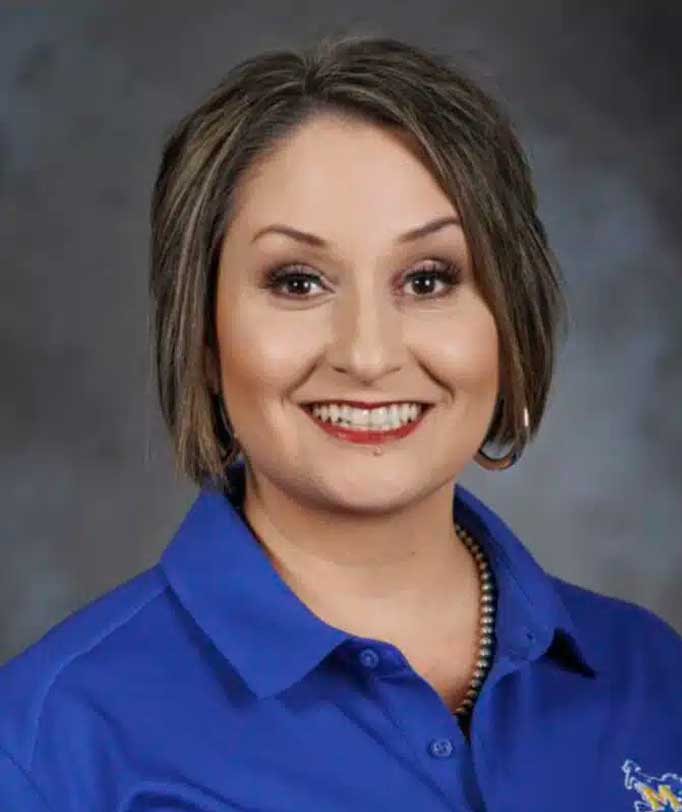
I am a McNeese graduate with a bachelor's degree in Family and Consumer Science and a concentration in Child and Family Studies. As a student, I competed on the rodeo team and served on the SGA board. I earned my master’s degree in 2022 from the University of South Dakota in Educational Administration and Leadership with a concentration in Adult and Higher Ed. I have over 13 years of experience in adult education and 20 years of educational experience.
My favorite part of being a Freshman Advisor is helping students navigate their new life routine as a college freshman by offering support with in-person office visits or by email to help students meet their goals. I always remind students of my favorite BB King quote – “Education is one thing no one can ever take away from you.” I believe that supporting students is vital to a student's success.
In my spare time, I raise registered American Brahman cattle, and I enjoy all the "country girl" things like hunting, fishing, growing a garden and cooking.